PF•MACHINEFILM PRODUCTION SOLUTIONS
☰
SolutionsMachinesKnowledgeROI CalculatorAbout PFContactTH
Machine Selector

TECHNICAL GUIDE

What Is a Blown Film Machine and How Should a Factory Choose One?

A blown film line turns resin pellets into tubular film through melting, die extrusion, bubble inflation, cooling, collapsing and winding. Correct selection starts with the product and production numbers—not a model name.

The production process

Resin is melted and mixed in the extruder, formed into a tube through the die, inflated as a bubble, cooled and stabilized, then collapsed and wound. Each stage affects gauge consistency, roll quality and operating continuity.

Single Layer, ABA, ABC and multilayer

Single Layer suits straightforward structures. ABA separates surface layers from a core. ABC permits three differentiated layers. A 3–5 layer line supports more complex structures when formulation flexibility or functional film properties justify it.

Numbers required before selection

Define film width, thickness range, target kg/h, operating hours, resin family and roll format. If a value is uncertain, separate current, target and acceptable-range assumptions.

A factory decision framework

Identify whether the constraint is extrusion, cooling, winding or converting, then compare cost per kilogram at realistic utilization. The largest machine is not automatically the best investment when downstream equipment or demand cannot use its capacity.

Frequently Asked Questions

Does this guide guarantee machine performance?

No. Final performance depends on resin, formulation, film dimensions, operating conditions and the confirmed machine configuration.

What information should a factory prepare?

Prepare the product sample, material and formulation, width, gauge, target output, downstream process, current constraint and project timeline.

DECIDE WITH DATA
Connect production data to ROI

RELATED MACHINES

From knowledge to configuration

View related solution →
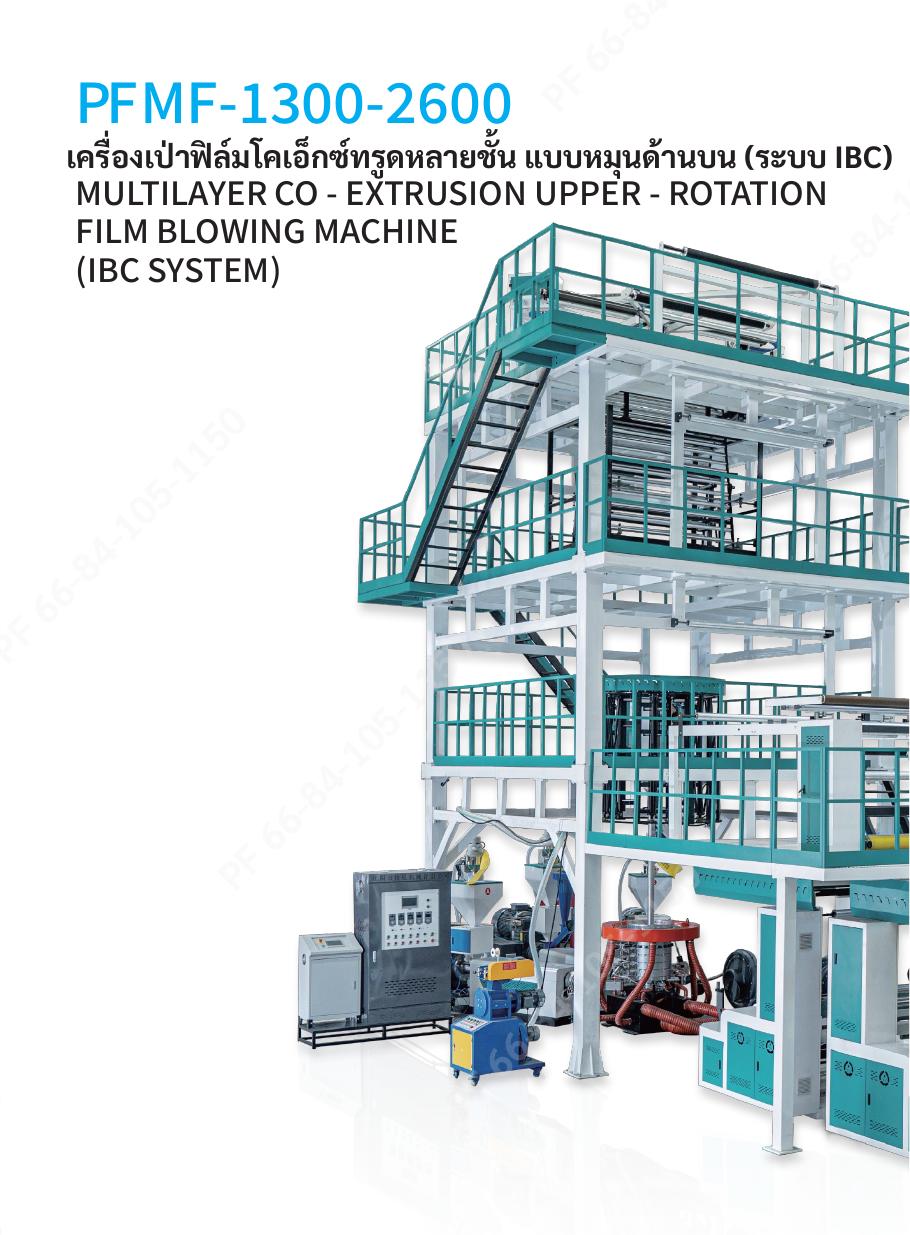
3–5 Layers Co-Extrusion Film Blowing Machine (Rotary Take-Up + IBC)
PFMF-1300-2600

3–5 Layers Co-Extrusion Film Blowing Machine (Rotary Take-Up + IBC)

Rotary Take-Up + IBC; 3–5 layers · 200–580 kg/h

View machine details →
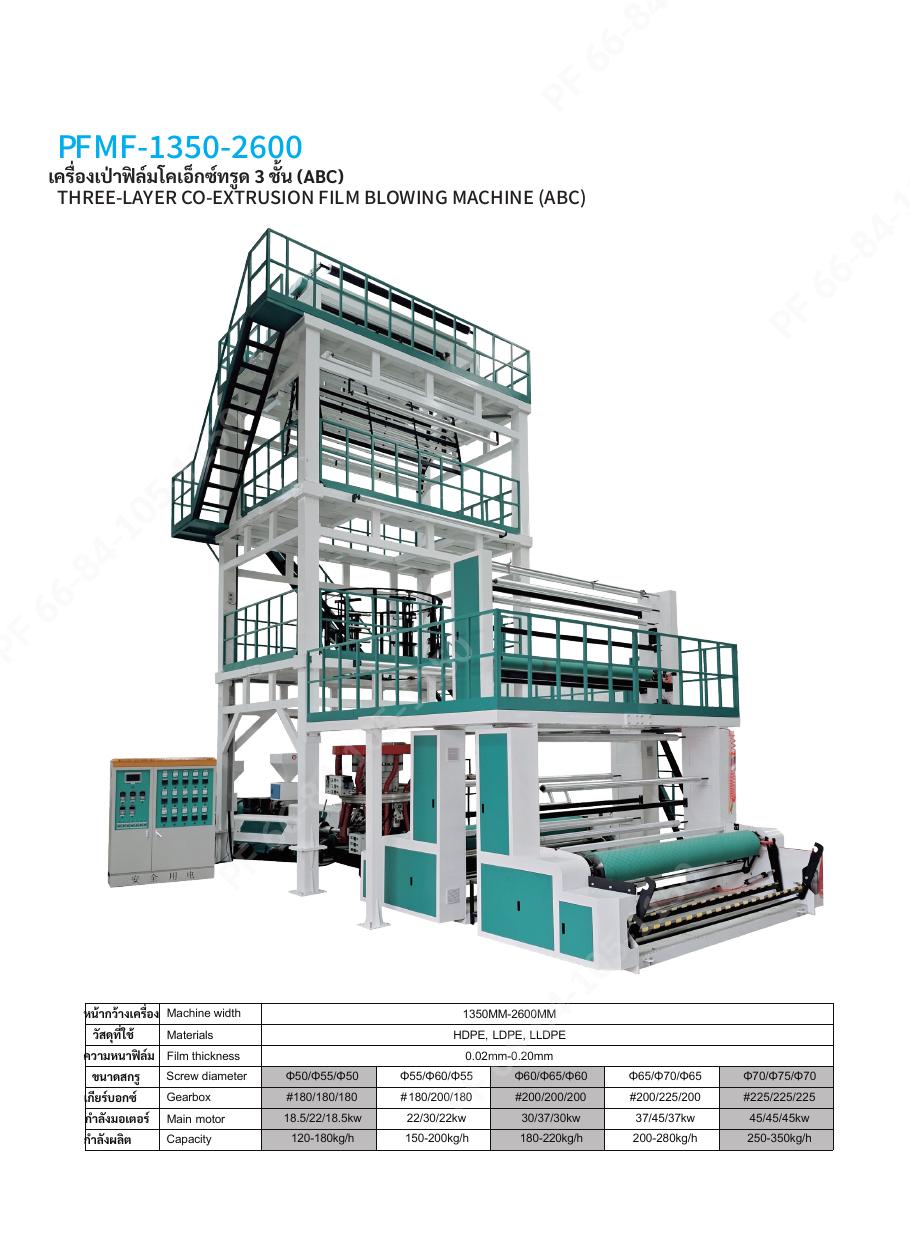
Three-Layer Co-Extrusion Film Blowing Machine (ABC)
PFMF-1350-2600

Three-Layer Co-Extrusion Film Blowing Machine (ABC)

ABC three-layer co-extrusion · 120–180; 150–200; 180–220; 200–280; 250–350 kg/h

View machine details →
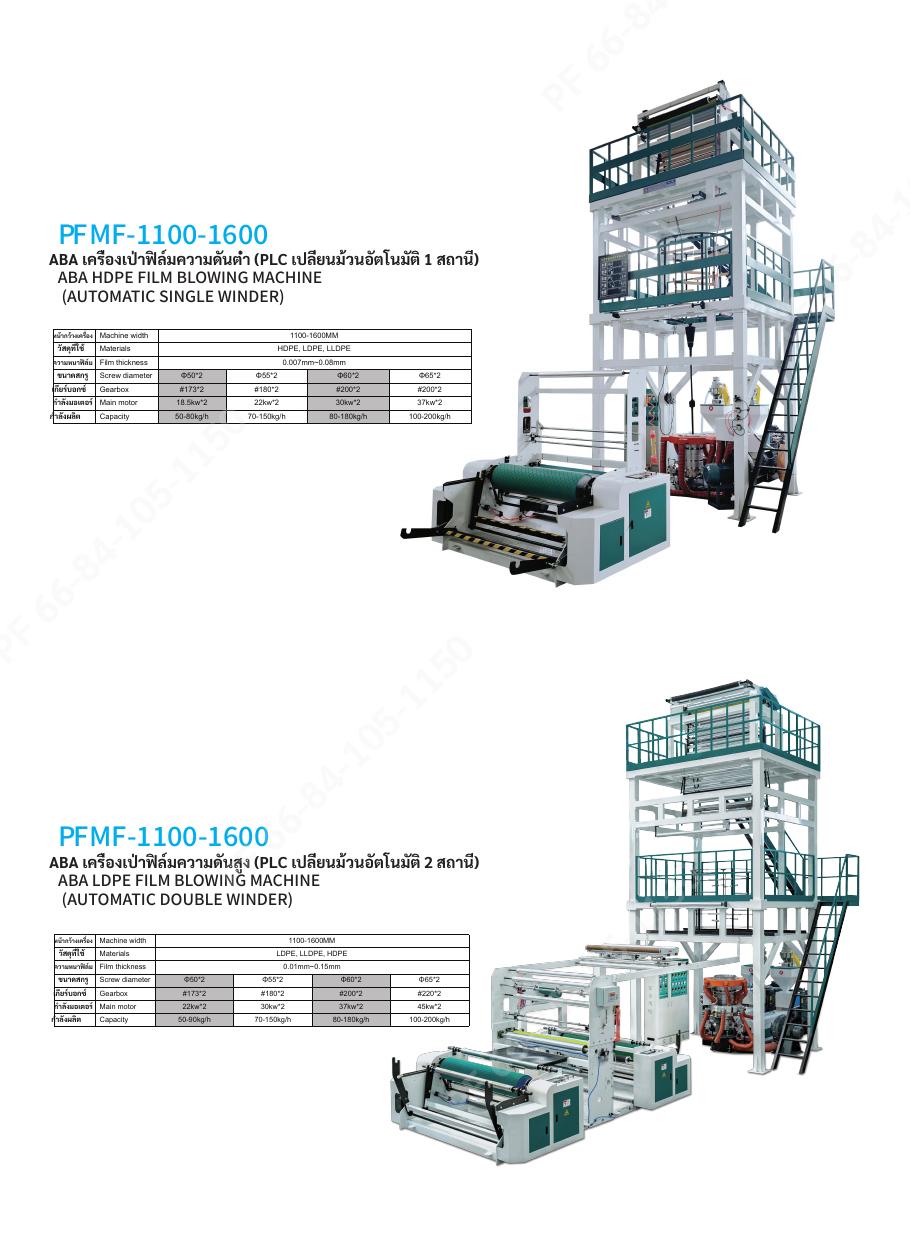
ABA HDPE Film Blowing Machine (Automatic Single Winder)
PFMF-1100-1600-HDPE

ABA HDPE Film Blowing Machine (Automatic Single Winder)

ABA; automatic single winder · 50–80; 70–150; 80–180; 100–200 kg/h

View machine details →

RELATED KNOWLEDGE

01

TECHNICAL GUIDE

Single Layer vs ABA: Which Configuration Fits?

The useful question is not whether ABA is better than Single Layer, but how much layer and formulation flexibility the application requires.

Read guide →
02

TECHNICAL GUIDE

ABA vs ABC: How Should a Factory Choose?

ABA and ABC are both three-layer structures, but they differ in extruder arrangement and formulation freedom. Selection should follow the product requirement, not an assumption that more complexity is always better.

Read guide →
03

TECHNICAL GUIDE

Which Applications Fit a Three-Layer Film Blowing Machine?

An ABC three-layer line fits products where layers have distinct roles such as surface behavior, sealing, strength or formulation management.

Read guide →